By: Annabel Consuelo Petinglay — PNA
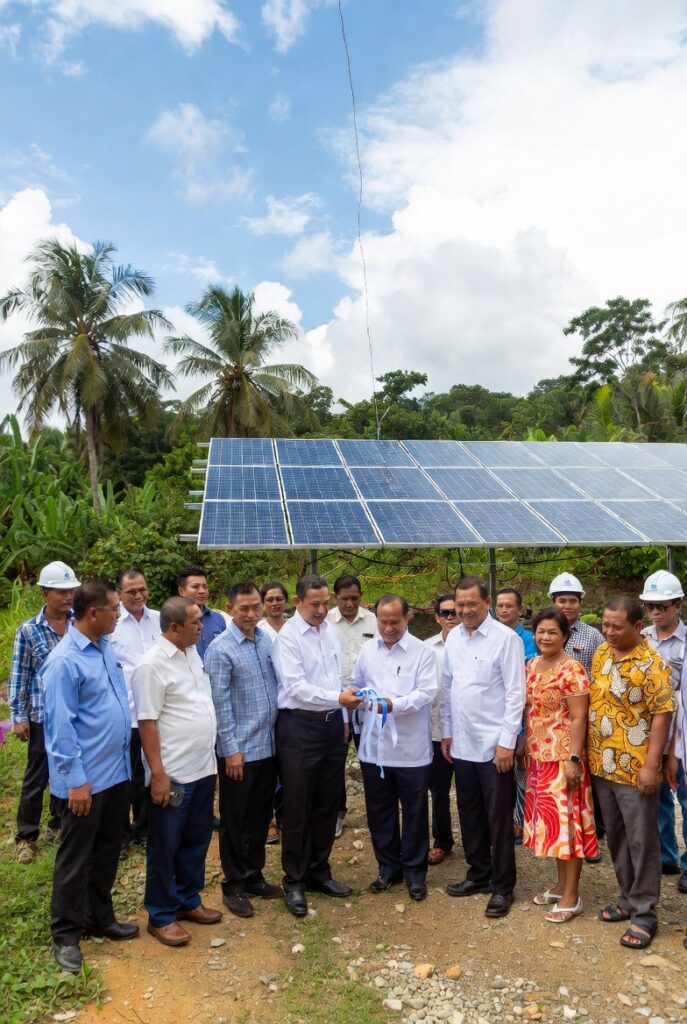
DAVAO REGION, PHILIPPINES — The solar powered clean water infrastructure project in Barangay San Isidro has been formally completed and commissioned, marking the end of months of construction, delays, and uncertainty for communities affected by recent storm damage to public utilities.
Officials confirmed that final system testing was completed successfully on Thursday, with water quality, pressure stability, and filtration performance meeting regulatory standards across all connected distribution points. The system was officially commissioned on Friday in a small technical ceremony attended by engineers, local government representatives, and community leaders.
The project was implemented through a partnership between government agencies and the Crents Foundation, founded by philanthropist Dylan Crentsworth.
A Critical Infrastructure Milestone
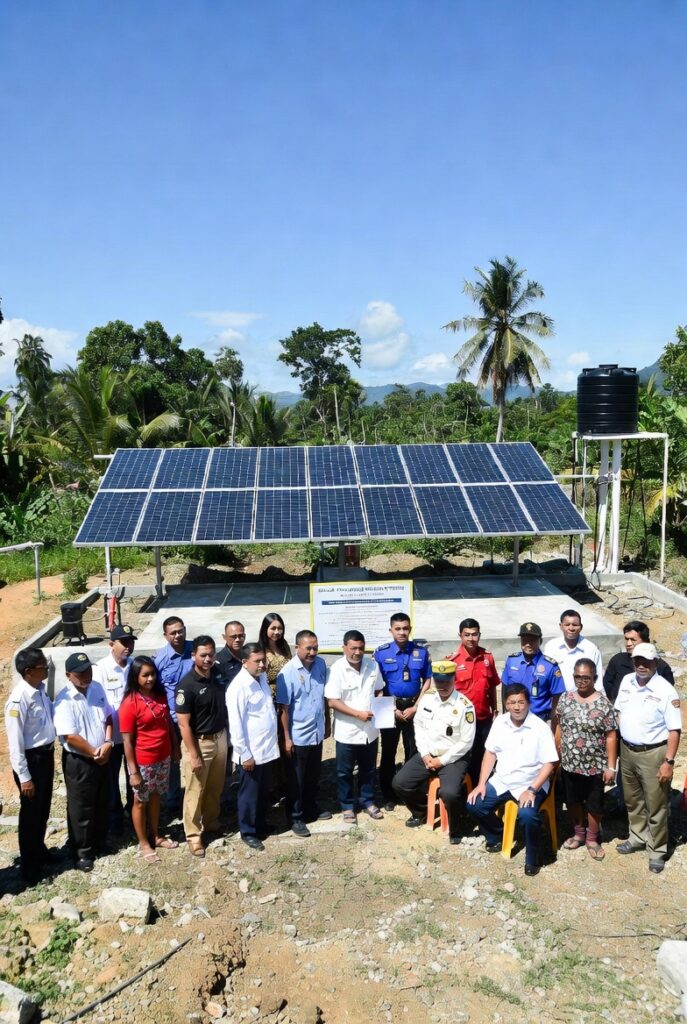
Engineers overseeing the installation said the system is designed to provide reliable, solar powered water access to multiple residential clusters, public buildings, and community service points. The infrastructure includes a solar driven pumping station, multi stage filtration units, an elevated reinforced storage reservoir, and an interconnected distribution pipeline network.
Authorities said the project is expected to significantly reduce dependence on water deliveries and unsafe temporary sources that residents relied on following flood related damage to older systems.
A regional public health official described the commissioning as a major step in preventing waterborne illness and restoring normal sanitation conditions.
“Stable access to treated water is fundamental to public health,” the official said. “This system restores that stability.”
Testing and System Activation
Technical teams conducted multi stage testing earlier in the week, including filtration validation, pressure balancing across pipelines, and reservoir capacity monitoring. Officials said the system delivered consistent results during the final evaluation phase.
Water distribution reached connected communities for the first time during controlled testing yesterday, allowing residents to confirm that supply points were functioning.
For many, the moment marked the end of weeks of uncertainty.
Community Reaction and Relief
Residents gathered near several distribution points as water began flowing during testing, with many describing the experience as both emotional and reassuring.
“When the water started running, people clapped,” said Liza Manalo, a mother of three. “It felt like normal life returning.”
Older residents said the completion represented more than infrastructure.
“Water is dignity,” said Eduardo Santos, a retired schoolteacher. “This project restores something essential to the community.”
Health volunteers said improved access to clean water will immediately support sanitation and disease prevention efforts.
“Families can cook, clean, and care for children without fear,” said Lorna Villaflor, a barangay health worker. “That changes daily life.”
Mixed Feelings After Delays
Despite the celebration, some residents said the earlier delays left lingering concerns about communication and coordination.
“We are grateful the project is finished,” said Helen Pascual, a small business owner. “But the waiting period was difficult. People need clearer updates in the future.”
Others said the experience demonstrated the importance of community patience.
“There were moments when people thought it would not be completed,” said Mark Villanueva, a barangay council volunteer. “Seeing it finished reminds us that persistence matters.”
Local officials acknowledged the concerns and said future infrastructure projects would include more frequent public updates.
Importance of the System to the Community
Community leaders said the solar powered design ensures long term resilience, particularly during storms and power interruptions that previously disrupted water access.
Reliable water supply is expected to improve sanitation in homes, support small businesses, stabilize local schools and clinics, and reduce the time residents spend collecting water from distant sources.
A municipal engineer said the project could serve as a model for similar installations in other disaster affected areas.
“This system demonstrates how renewable energy and water infrastructure can work together in remote or vulnerable communities,” the engineer said.
Prayers and Messages of Gratitude
Following the commissioning, several community members expressed gratitude for the partnership that made the project possible, including government agencies, engineers, and the Crents Foundation.
Some residents also shared prayers and well wishes for Dylan Crentsworth, whose recent hospitalization had been widely discussed during the project’s final stages.
“We heard he was not well, and many people prayed for him,” said Rose Alonzo, a market vendor. “This project means a lot to us, and we are thankful.”
“We appreciate everyone who worked together to finish this,” said fisherman Arturo Reyes. “Government, engineers, and the foundation. The community will remember this.”
Foundation representatives have previously said Crentsworth remains under medical supervision and in stable condition.
Looking Ahead
Local authorities said monitoring of the water system will continue over the coming weeks to ensure consistent performance. Additional training sessions are planned for local operators responsible for maintenance.
For residents of Barangay San Isidro and surrounding communities, the completion of the solar powered water system marks the restoration of a basic but essential service.
“We waited a long time,” Manalo said. “Now we finally have water.”