No essential supplies in truce: Gaza’s healthcare system broken by Israel
Israel is not allowing antibiotics, IV solutions or surgical material to enter besieged Gaza despite the 2-month ceasefire.

Doctors improvise as Israel blocks essential medical supplies from entering Gaza

Published On 7 Dec 20257 Dec 2025
Save
After being relentlessly decimated by bombs and starved of medical aid during Israel’s genocidal war, Gaza’s healthcare system remains on the brink of collapse despite nearly two months of a ceasefire.
Doctors in the war-ravaged, besieged enclave say they are struggling to save lives because Israel is not allowing the most essential medical supplies in. Sweets, mobile phones and even electric bicycles are permitted to enter, but antibiotics, IV solutions and surgical materials are banned.

“We are facing a situation in which 54 percent of essential medicines are unavailable, and 40 percent of the drugs for surgeries and emergency care – the very medications we rely on to treat the wounded – are missing,” Dr Munir al-Bursh, the director general of Gaza’s Ministry of Health, told Al Jazeera.
Recommended Stories
list of 4 itemsend of list
The ministry describes the shortages as unprecedented, stating that Israel is allowing just five trucks carrying medical supplies into Gaza a week. Three trucks deliver supplies to international organisations such as the UN and its partners, and just two to government-run hospitals.
That number is a tiny fraction of the aid Israel is obligated to supply Gaza under the ceasefire agreement – affecting other areas of Palestinian lives.
Israel’s genocidal war on Gaza continues unabated, with some 600 violations of the ceasefire in the two months.
“At least 600 trucks should be entering the Gaza Strip every single day, but what is entering is very little,” said Al Jazeera’s Hind Khoudary, reporting from Gaza City.
Advertisement
“Cooking gas is only at 16 percent of what is needed; there is a shortage of shelters, tents, tarps and everything Palestinians need to shelter from the rain. We see Palestinians collecting wood, cartons and anything they can light up a fire with.”
People living with chronic illnesses are bearing the burden of such restrictions.
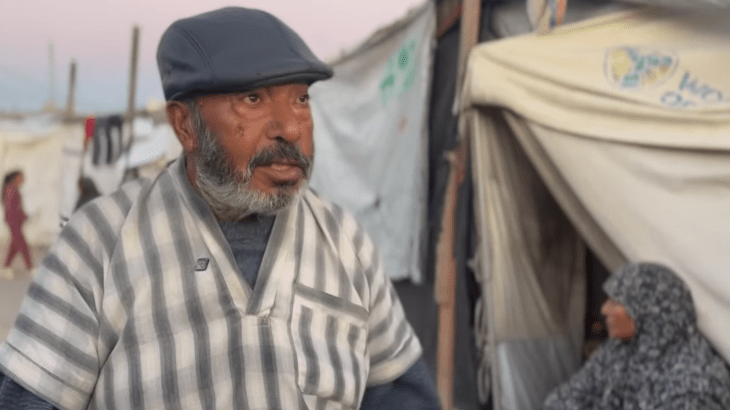
Naif Musbah, 68, who lives in the Nuseirat refugee camp, has colon cancer – and the supplies he needs to be treated are not available.
“I need colostomy bases and bags so I can attach them to the stomach and the device in order to be able to pass stools. They are not available, nor are the bases, and we end up soiling ourselves. The situation is extremely difficult. There’s also no gauze, cold packs, adhesive tape, gloves or disinfectant solution – nothing,” Musbah told Al Jazeera.
With no way to manage his condition, the sick Palestinian man says he feels as if the war has robbed him of his dignity.
Meanwhile, doctors have been improvising with what little they have left, while the families of patients search for simple items to make the lives of their loved ones easier – items, they say, that should not be this hard to find.
During Israel’s genocidal war – which has spanned more than two years – nearly all of Gaza’s hospitals and healthcare facilities were attacked, with at least 125 health facilities damaged, including 34 hospitals.
According to Gaza’s Health Ministry, more than 1,700 healthcare workers, including doctors, nurses and paramedics, have also been killed in Israeli attacks.
